Strengthening Drought Resilience Through Collaboration

Insights from the April 2026 EOTEC Regional Meet-ups
In April, the EOTEC DevNet community came together across Africa, the Americas, Asia-Oceania, and Europe for the semi-annual Regional Drought Working Group meet-ups. These sessions convened Earth observation (EO) experts, early warning practitioners, and capacity development leaders to share experiences, explore emerging challenges, and identify opportunities to strengthen drought resilience worldwide.
This note provides links to the presentations and details on key points. But all four meet-ups underscored a central theme: collaboration is essential to translating Earth observation data into actionable drought decision-making.
A sincere thank you to the amazing presenters and, of course, our dedicated regional leads.
Spotlight on Practice and Innovation
A highlight at all four meet-ups was a presentation on HydroSOS by the UK Centre for Ecology & Hydrology, an initiative supporting hydrological monitoring and drought early warning across scales. [Recording] Other region-specific presentations showcased tailored approaches:
- Africa: Advancing land degradation monitoring under new mandates from United Nations Convention to Combat Desertification, with contributions from the Regional Centre for Mapping of Resources for Development (RCMRD)
- Slides I
- Americas: Enhancing drought data for food security through FEWS Net (Famine Early Warning Systems Network) and the University of California Santa Barbara Climate Hazards Center
- Asia-Oceania: Operational insights from Pakistan’s National Drought Monitoring and Early Warning System
- Europe: New event-based drought analysis approaches from Politecnico di Milano
Additional contributions highlighted the Integrated Drought Management Programme efforts led by the World Meteorological Organization and United Nations Convention to Combat Desertification (UNCCD).
Key Cross-Regional Insights
Bridging the “Operationalization” Gap
A consistent challenge across regions is moving from research to operational, decision-ready systems. While scientific advances are significant, many countries still face barriers in applying EO data within government workflows and policies.
Global Data, Local Reality
Satellite data from missions like Landsat and Sentinel are increasingly accessible but local validation remains critical. The need for in-situ data to ground-truth EO products continues to limit effectiveness in some regions.
Rising Risk of Flash Droughts
Flash droughts are emerging as a major concern, requiring higher-frequency monitoring and more dynamic analytical approaches. Politecnico di Milano research on event-based drought detection offers promising pathways.
Integrating Data for Drought Early Warning
FEWS NET’s Integrated Drought Monitoring System leverages cross-agency cooperation to demonstrate the power of stacking multiple data streams — combining observations, forecasts, and models — to rapidly identify risks and support early action.
Policy Matters
Technical solutions alone are not enough. Many countries still lack National Drought Action Plans or enabling policy frameworks, limiting the uptake of EO tools in decision-making processes. Pakistan, which has an established National Drought Monitoring and Early Warning System, is now developing such a plan. In East Africa, RCMRD is collaborating with UNCCD on a new land degradation collaboration.
Resource Constraints and Priorities
In some regions, drought remains underfunded relative to other hazards. Participants highlighted opportunities to align with global initiatives like the Riyadh Action Agenda to elevate drought on national and international agendas. It was launched at UNCCD COP16 by Saudi Arabia.
Navigating a Growing EO Ecosystem
With the rapid expansion of EO datasets and tools, users often struggle to identify what best fits their needs. Improving discoverability and usability remains a core priority.
Advancing Solutions: EOTEC’s Drought Tools Tracker
To address these challenges, EOTEC DevNet is developing a Drought Tools Tracker, a searchable resource to help users navigate drought tools and related capacity development resources. So far, the tracker includes:
- 31 key initiatives
- 54 tools
- 86 training and capacity-building resources
The Tracker is now entering its validation and usability phase, with a full launch planned in the coming months. The final product will be similar to EOTEC’s existing Flood Tools Tracker.
What’s Next
The momentum continues with upcoming opportunities for engagement:
- Global Webinar – June 17, 2026
- Regional Flood Working Group – July 8/9, 2026
- Communities of Practice Meetings – September 16/17, 2026
- Next Drought Working Group Meet-ups – October 14/15, 2026
Stay Connected
EOTEC DevNet is a community-driven effort — your participation makes things work!
- Join our online member platform.
- Sign up for meeting invites and the newsletter.
- Follow EOTEC DevNet on LinkedIn and X for updates.
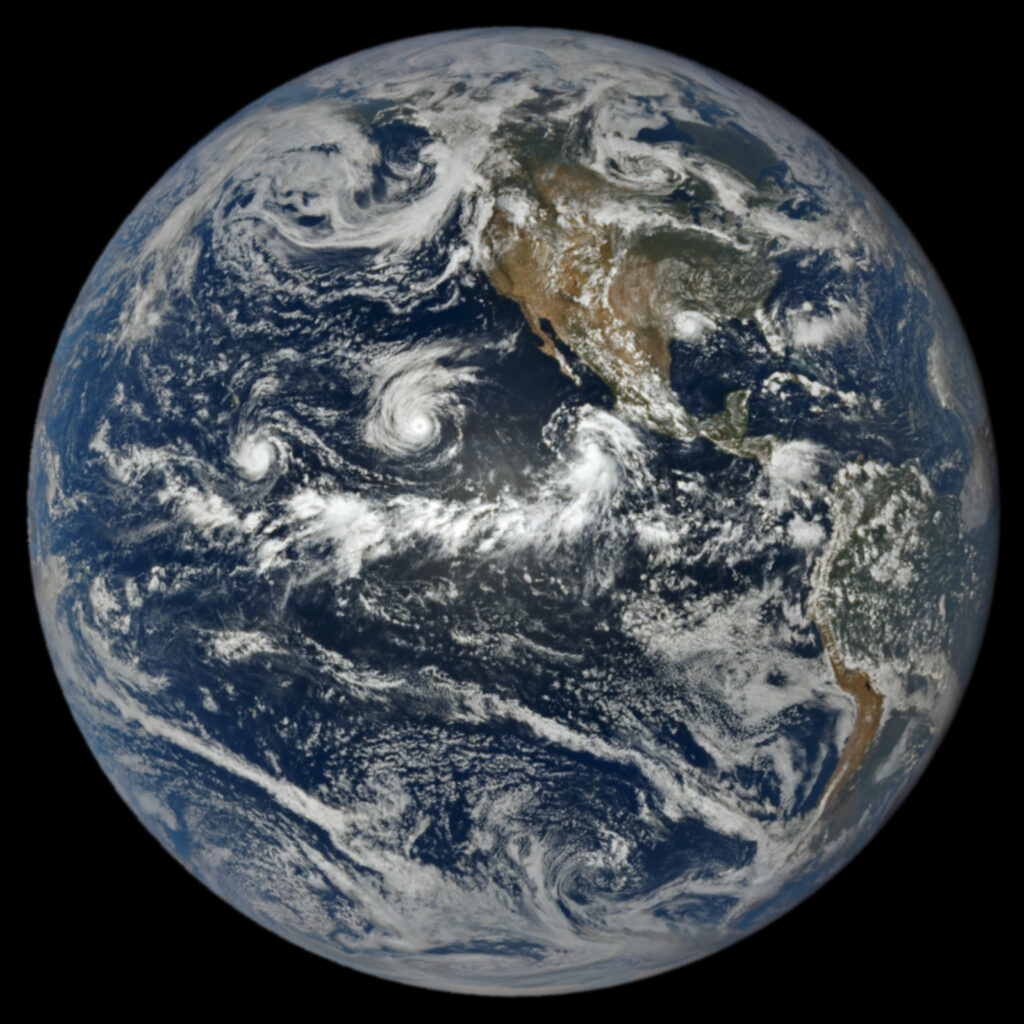
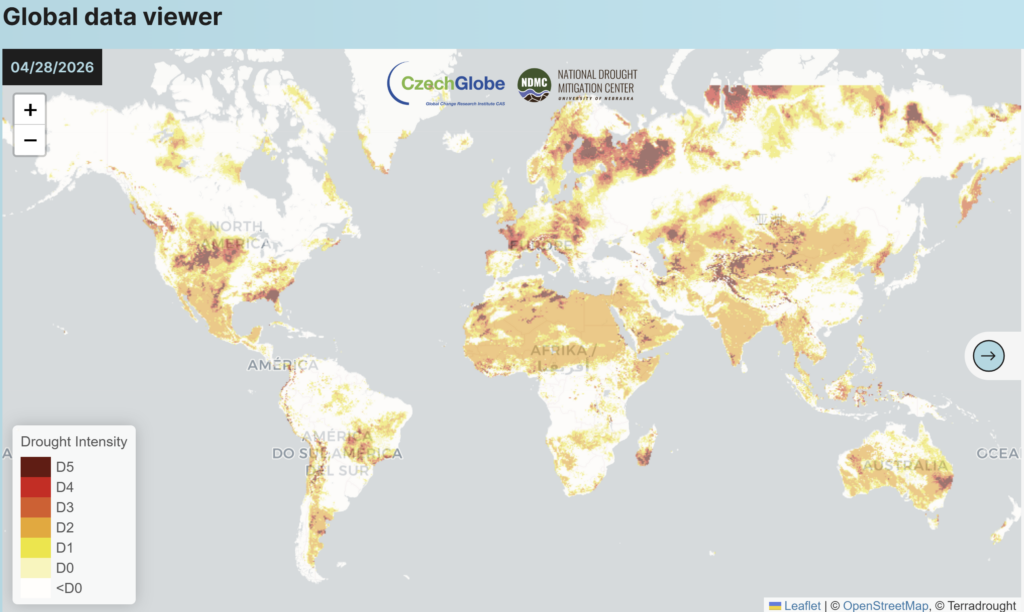
Image credit: TerraDrought, Global Drought Intensity on April 28, 2026