Workshopping EOTEC’s EO Capacity Needs Assessment at CALMet–CONECT 2025
At the recent Joint CALMet XVI – CONECT 3 Conference, EOTEC DevNet hosted a hands-on “creative lab” to help shape the next iteration of our Earth observation (EO) capacity needs assessment guidance.
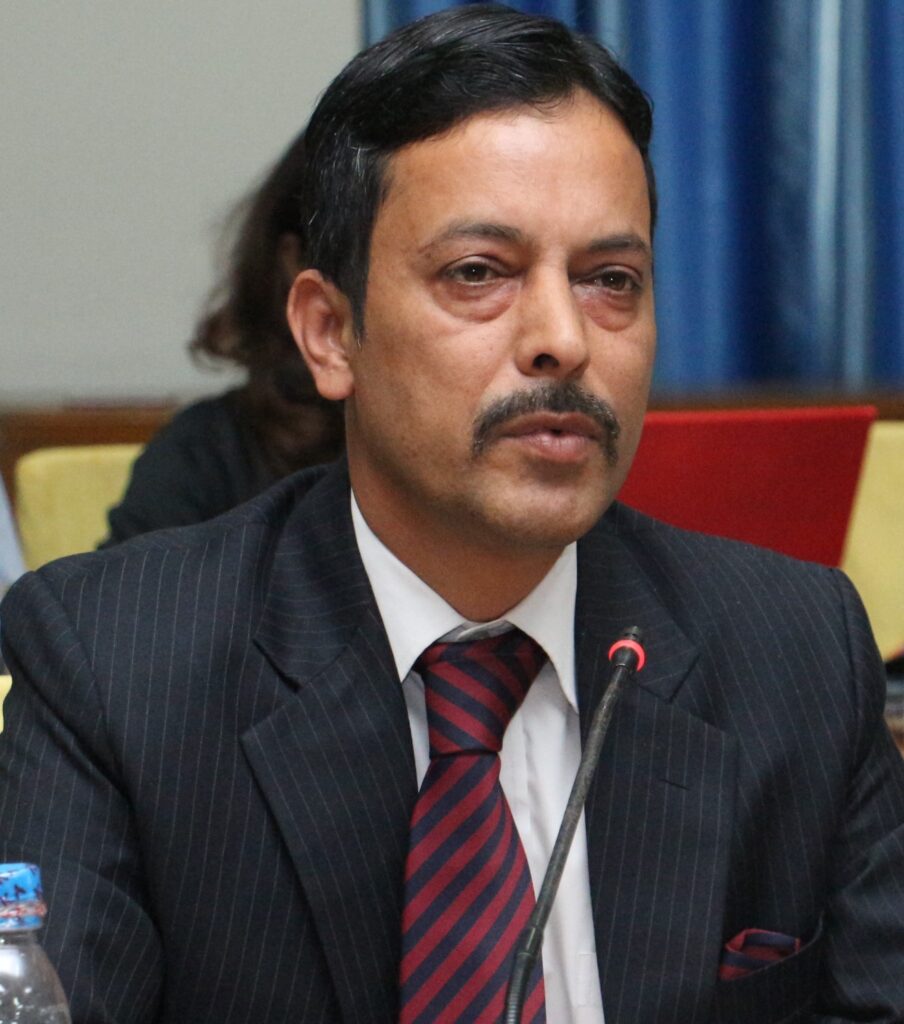
The session brought together 25 educators, trainers, and practitioners for a highly participatory, design-driven workshop – one that not only generated thoughtful feedback, but also affirmed the value of collaboration in generating practical, user-centered resources for the EO community.
A Participatory Design Workshop
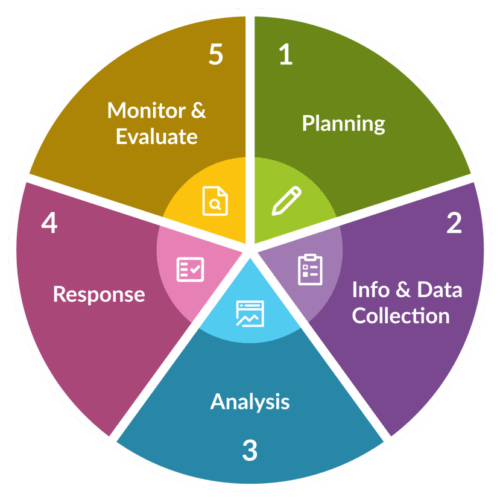
Held November 24 as part of the conference’s Collaboration theme, the workshop invited participants to explore the beta version of EOTEC’s new online guidance, a living resource that outlines five foundational steps of an assessment and curates practical tools, examples, and tips.
After a brief orientation and tutorial, participants moved into small groups for moderated testing, discussion, and rapid prototyping. Together, they examined the design, content, usability, and potential applications of the guidance, offering real-world insights shaped by their own assessment challenges and experiences.
Insights from the CALMet–CONECT session will feed directly into the next version of the needs assessment guidance, which will be developed in 2026.
EOTEC DevNet extends warm thanks to the CalMET-CONECT organizers and participants who shared their experience.
Would you like to share feedback on the guidance or provide an example or use case? Contact us at secretariat@eotecdev.net.
What We Heard: Early Insights for Future Iterations
Participant feedback highlighted several strengths of the beta version:
- Clean, engaging layout and intuitive navigation
- Clear step-by-step structure
- Practical examples, tips, and creative data-collection methods
- Multilingual content and accessible design
- Useful for both newcomers and experienced practitioners
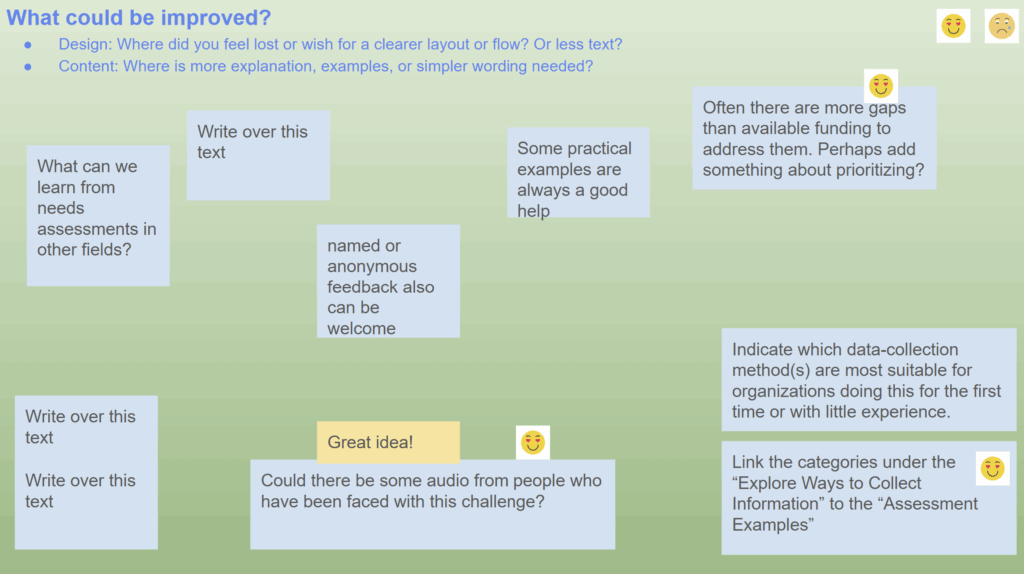
Participants also highlighted opportunities to make the guidance even more actionable:
- Add more real-world examples, templates, and “fast-track” options
- Strengthen links between data-collection methods and case examples
- Include guidance on prioritizing needs when resources are limited
- Improve “Browse Examples” search and visualization
- Provide short illustrative examples for each method or step
Suggested value-adds included stakeholder-identification tools, country summaries, audio insights from practitioners, and built-in ways to keep assessments updated over time